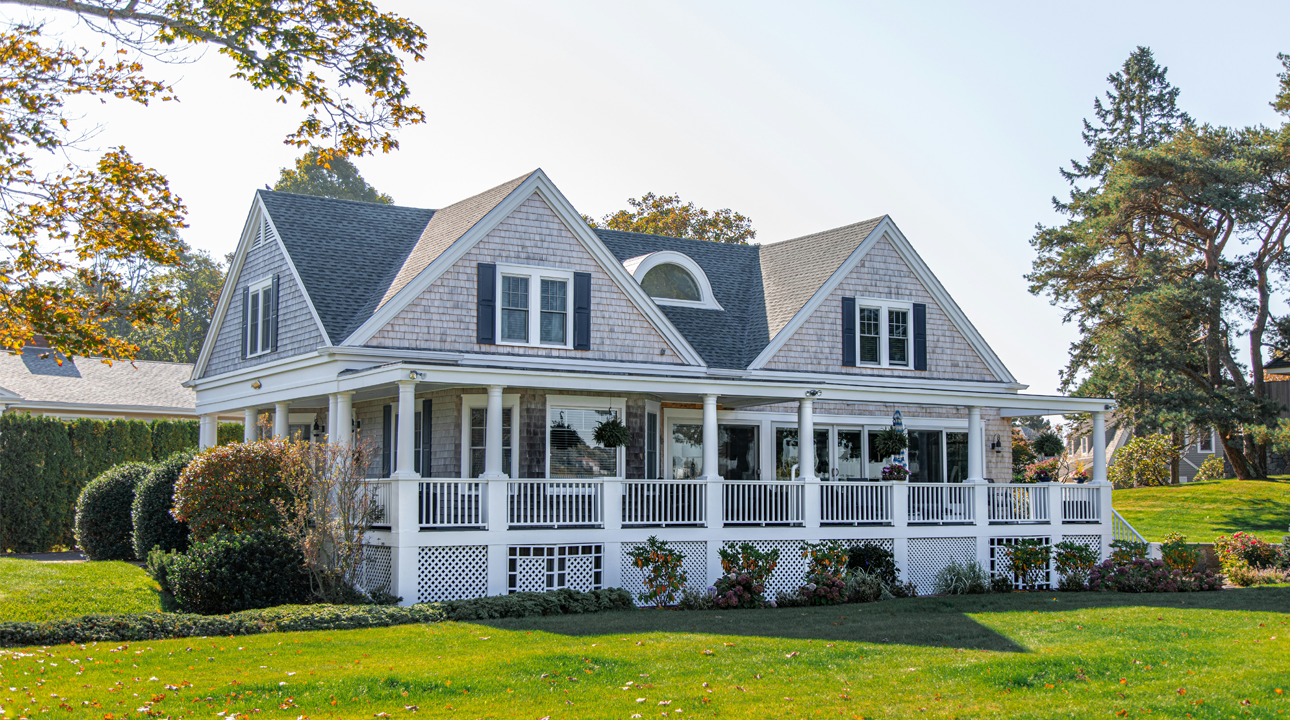
Are you wondering what is a loft and whether it’s the right choice for your next home?
Loft living has become a popular choice in Toronto and other urban areas, offering residents spacious living space, open layouts, and distinctive design elements. Lofts are typically found in industrial buildings, old warehouses, or newly constructed units designed to emulate the charm of traditional lofts. With high ceilings, large windows, and unique architectural features, lofts appeal to those seeking a modern yet character-filled home.
This guide will walk you through everything you need to know about lofts, including soft lofts, hard lofts, loft conversions, and tips for maximizing your living space.
Understanding Lofts
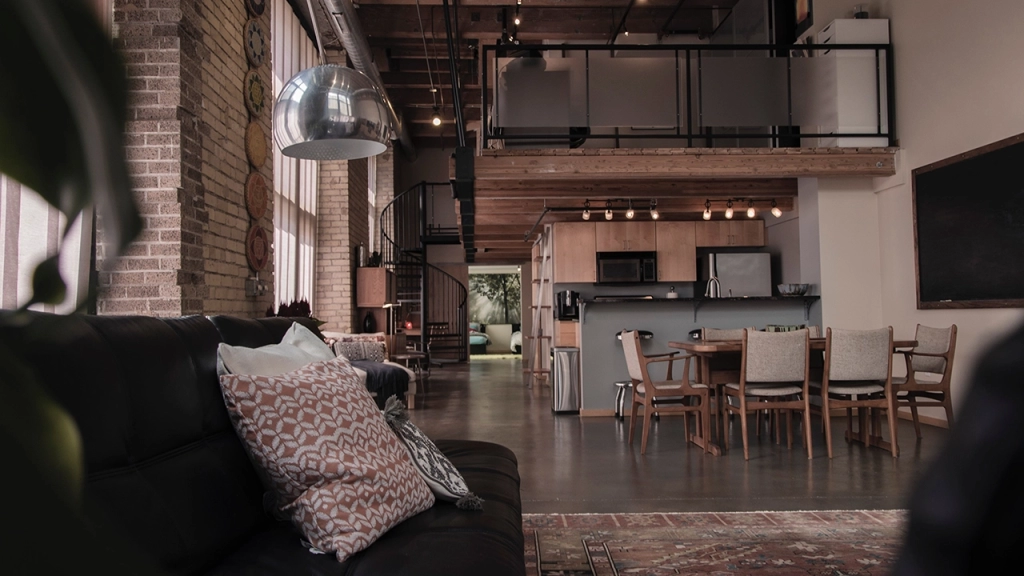
Before diving into the different types and features of lofts, it’s important to understand what makes a loft unique. Lofts are more than just living spaces—they combine open floor plans, high ceilings, and distinctive architectural features to create a modern yet industrial aesthetic. In Toronto, loft apartments can be found in industrial buildings, converted lofts, and newer construction, offering a variety of options for loft dwellers.
What Is a Loft?
A loft is a living space usually found in industrial buildings or commercial properties that have been converted into residential units. Most lofts feature an open floor plan with minimal walls, high ceilings, exposed beams, and brick walls or concrete floors, giving them a distinct loft style.
Some lofts are hard lofts, meaning they were originally used for a specific purpose such as manufacturing or commercial storage before loft conversions transformed them into residential space. Others are soft lofts, newer constructions that replicate the open, airy feel of a loft but include modern amenities.
The Appeal of Loft Living
Loft dwellers often enjoy the spacious interiors, open space, and unique features that most lofts provide. From exposed brick walls to high ceilings, lofts create a sense of openness rarely found in traditional apartments. Many units also offer extra bedrooms, upper rooms, or elevated areas that maximize square footage.
While loft living offers a striking aesthetic, it comes with potential challenges. Poor sound insulation, acoustic challenges, and heating or insulation issues can be common in units with open concept layouts, exposed beams, or concrete floors.
Features Commonly Found in Lofts
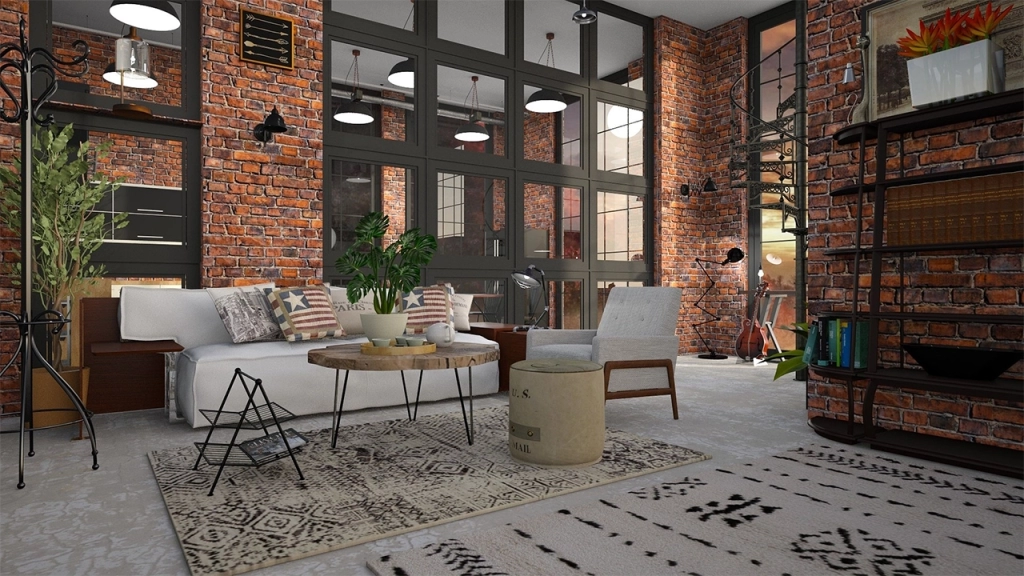
Lofts are celebrated for their distinctive loft style and unique features that set them apart from traditional apartments. From exposed brick walls and concrete floors to high ceilings and large windows, most lofts combine industrial charm with functional living spaces. Understanding these commonly found elements can help loft dwellers make the most of their open space and square footage.
Design Elements
Most lofts are designed to retain their unique architectural features. Common elements include:
Exposed beams and exposed brick for an industrial feel
Concrete floors or original wood floors
High ceilings and large windows that bring in natural light
Open floor plan layouts for the main living area
Attics, upper rooms, or second floor lofts for extra bedrooms or workspaces
These elements help lofts stand out as a unique living space, blending modern design with industrial charm.
Advantages and Disadvantages
Advantages of loft living:
Spacious interiors with flexible floor plans
Easy access in ground floor units or elevated second floor units with roof terraces
Distinct loft style that is highly sought after in urban areas
Disadvantages:
Poor sound insulation or acoustic challenges due to open space
Limited storage space compared to traditional apartments
Heating or cooling costs can be higher in units with high ceilings and large windows
By weighing these pros and cons, you can decide whether a loft is suitable for your lifestyle.
Types of Lofts

Not all lofts are created equal, and understanding the different types can help you find the perfect loft apartment. Hard lofts are converted lofts in original industrial buildings, featuring exposed beams, brick walls, and unique architectural features, while soft lofts are newer construction units that emulate the same loft style with modern amenities. Knowing the distinctions between these types can guide loft dwellers in choosing a space that fits their lifestyle and design preferences.
Hard Lofts vs. Soft Lofts
Hard lofts are original industrial buildings or commercial spaces that have been converted into loft apartments. They usually have brick walls, exposed beams, and unique features like concrete floors and large roof areas.
Soft lofts, on the other hand, are newer construction units that mimic the loft style but include modern amenities such as modern interiors, closets, bathrooms, and kitchens designed for contemporary apartment living.
While hard lofts are often appreciated for their architecture and historical character, soft lofts provide modern design, comfort, and easier maintenance.
Loft Conversions and Design Process

Loft conversions transform spaces that were originally used for commercial or industrial purposes into functional living spaces. The design process often involves creating open floor plans, maximizing square footage, and incorporating both modern design and unique architectural features. Understanding how converted lofts are designed can help loft dwellers envision the possibilities for living space, extra bedrooms, and upper rooms.
What Are Loft Conversions?
Loft conversions involve transforming a commercial building, warehouse, or attic into a residential space. This design process includes creating open spaces, upper rooms, bedrooms, and living areas with high ceilings and large windows to maximize square footage.
A converted loft can include:
Extra bedrooms on the second floor
Upper rooms for work or sleeping areas
Additional storage space or closets
Bathrooms and modern kitchens
Loft conversions are common in Toronto and other urban areas where industrial buildings are repurposed into loft apartments for loft dwellers seeking open concept living with unique features.
Tips for Buying or Renting a Loft In Toronto

Finding the right loft apartment requires careful consideration of both the space and the building’s features. From storage space and floor plans to modern amenities and potential acoustic challenges, there are several factors that loft dwellers should evaluate before making a decision. These tips will help you navigate urban areas and choose a loft that suits your lifestyle, whether it’s a ground floor unit or an upper room with high ceilings.
Questions to ask when viewing a loft
When exploring lofts, consider asking about:
Original use of the building and type of loft conversion
Year of construction and newer construction details
Floor plan layout and main living area
Storage space availability, closets, and attics
Noise levels and acoustic challenges
Heating, insulation, and other potential challenges
Should you use a real estate agent to find a loft rental in Toronto?
While searching for a rental property in Toronto, using a real estate agent is not a requirement, but it can be advantageous. Luckily, there are Toronto REALTORS® for rentals in Toronto who offer an unparalleled service to renters and landlords.
A professional Toronto rental agent can save you time and the hassle of searching for a suitable rental property by doing the legwork for you and providing professional advice. If you decide to use an agent, it is essential to choose someone who is experienced with the Toronto real estate market and has experience working with lofts.
For example, Marco Pedri, a broker with Shoreline Realty Corp., Brokerage, is well-versed in the Toronto real estate market and has significant experience working with lofts working with both tenants and landlords.
Why Loft Living Is Popular
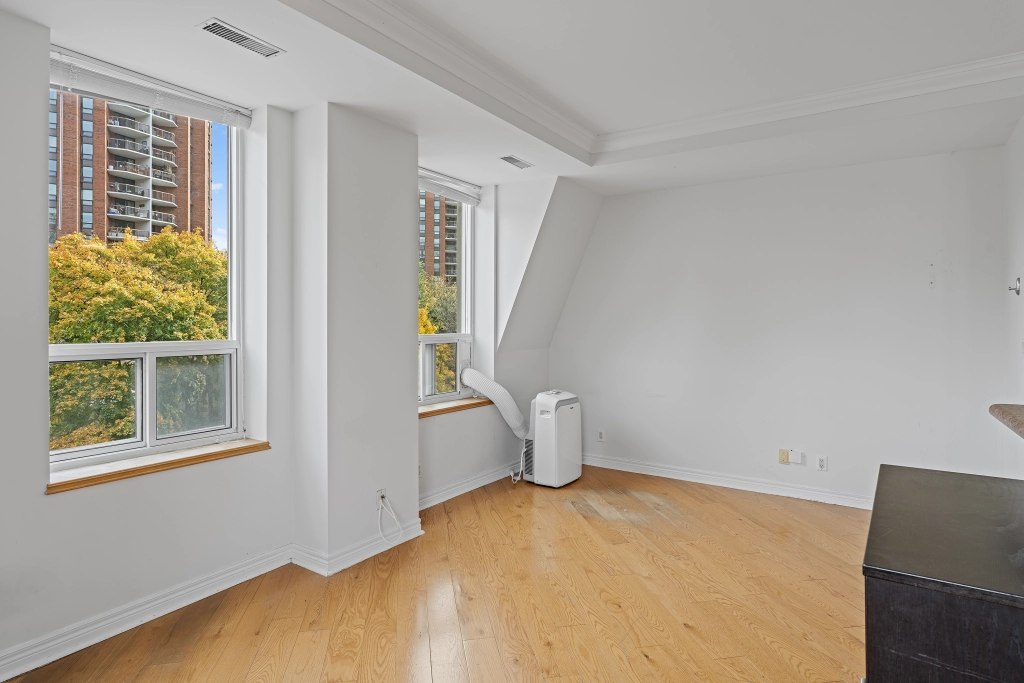
Loft living offers a distinctive combination of open space, spacious interiors, and industrial architectural features. From hard lofts with exposed beams and brick walls to soft lofts with modern design, most lofts provide high ceilings, large windows, and flexible floor plans for both living and sleeping areas.
Whether you want a main-level living space, upper room, or extra bedroom, lofts are highly versatile and well-suited to urban areas where space is limited and design is a priority.
Ready to Find Your Loft in Toronto?
From ground-floor converted lofts with exposed brick walls to soft lofts featuring modern amenities and modern design, Toronto and Etobicoke offer loft apartments for every lifestyle.
Whether your goal is loft living with an open floor plan, extra storage space, or unique architectural features, working with a Toronto real estate broker like Marco Pedri ensures you find a loft that matches your needs and style.
Contact me today to explore the lofts, units, and open spaces available in Toronto’s urban areas.